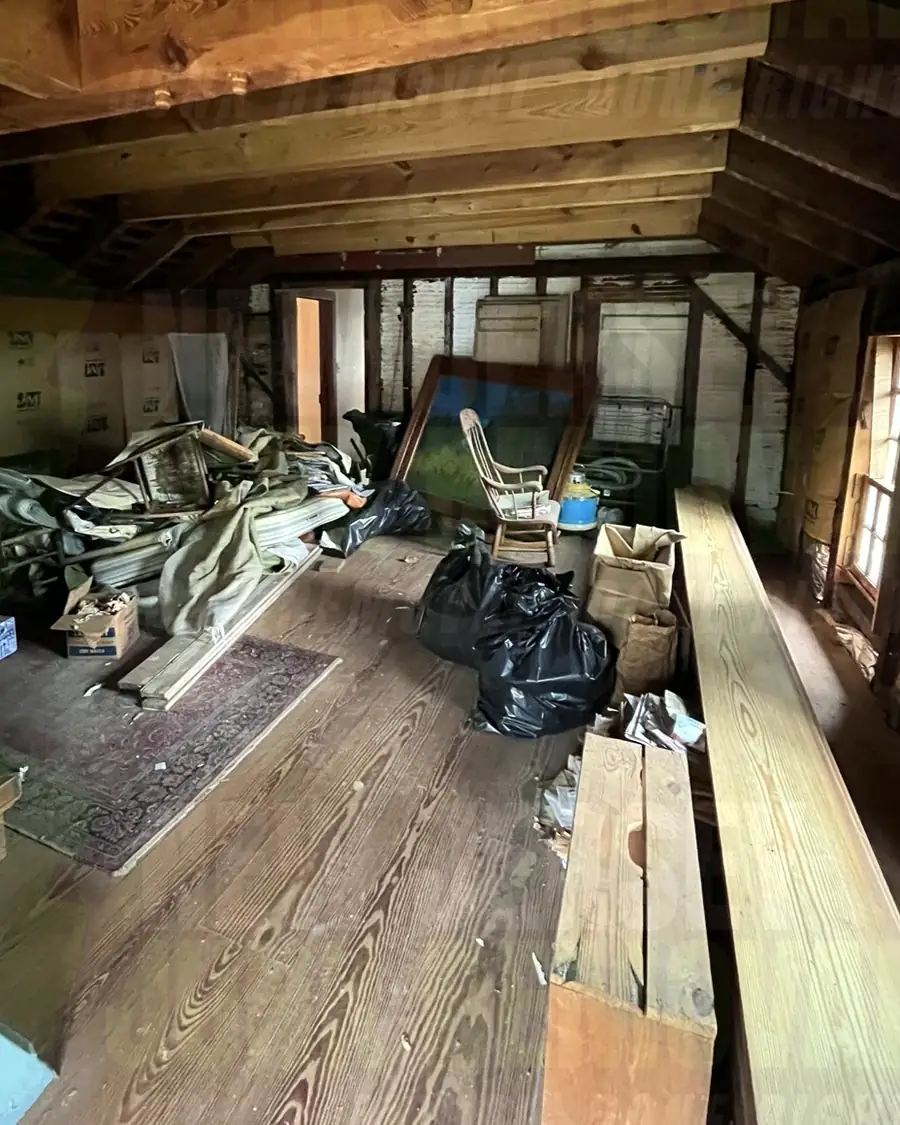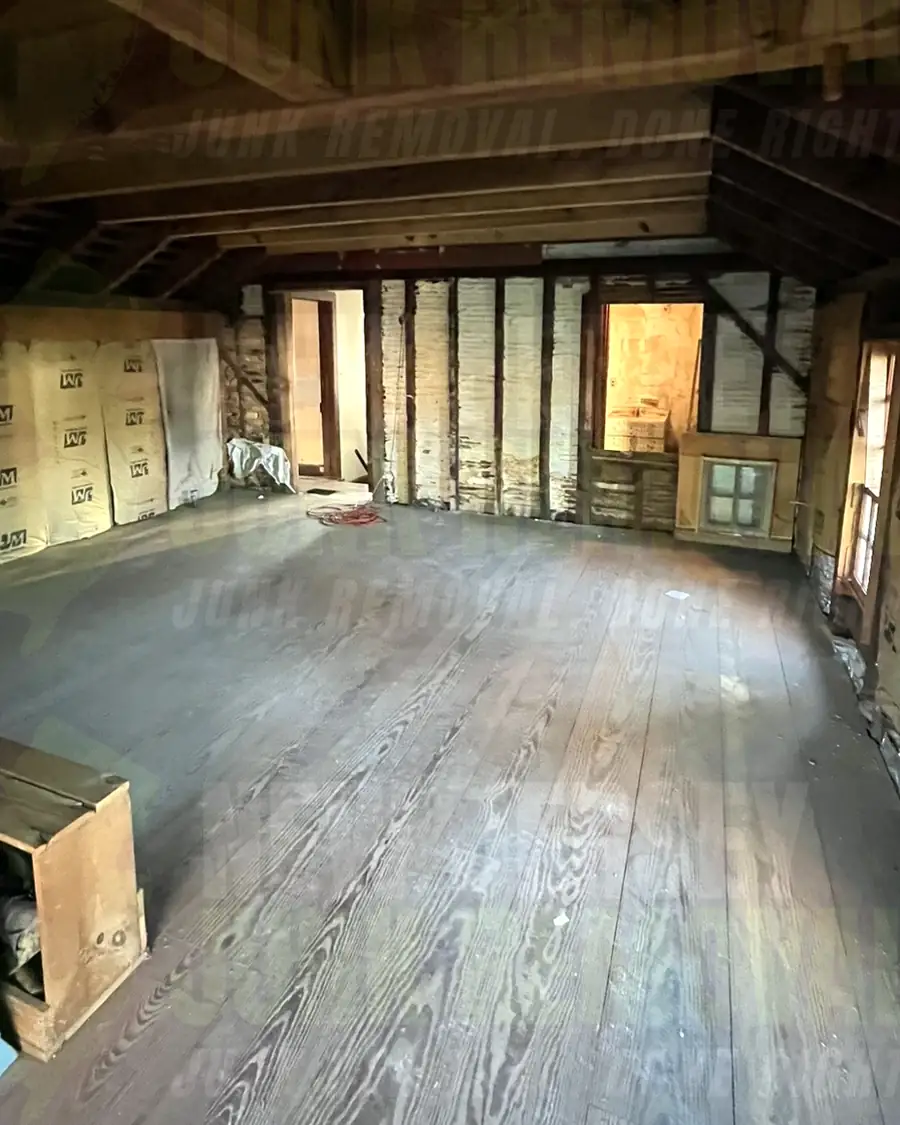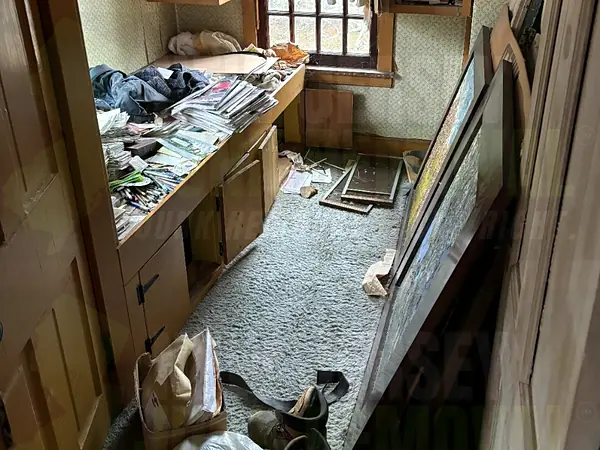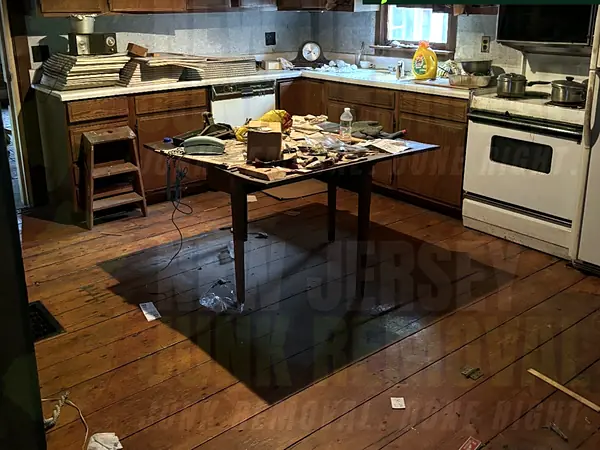
Property cleanouts for rentals, evictions and foreclosures
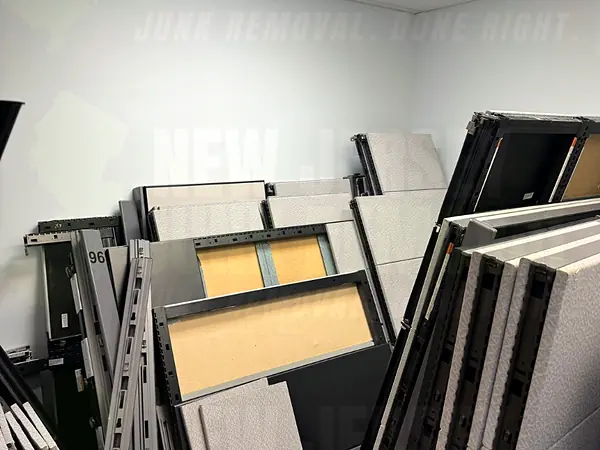
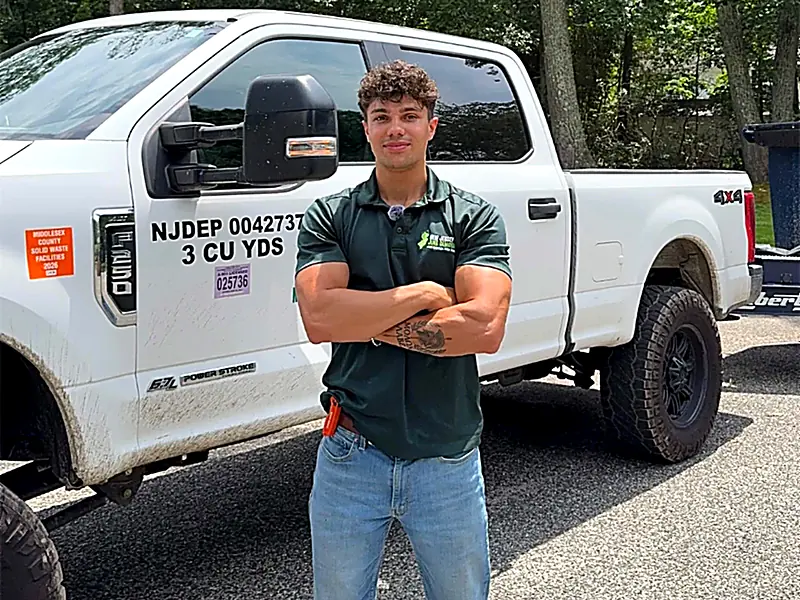
This page is for landlords, property managers and realtors who need a property emptied before anything else can happen. We do all the lifting and carrying from anywhere on the property, load the truck, haul everything away and sweep up. Dominic, the owner, works jobs himself alongside his crew.
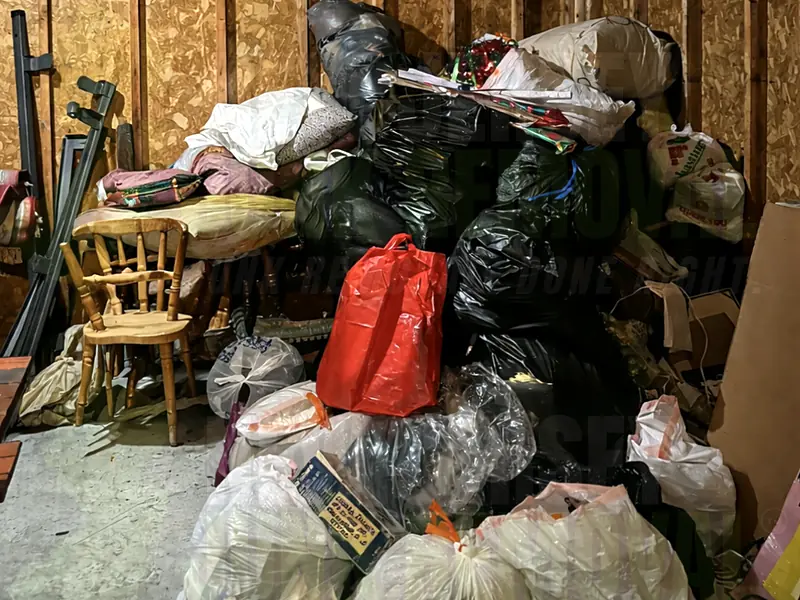
- Tenant move-outs: furniture, mattresses, bags and boxes left in a house, apartment or condo after the lease ends.
- Eviction cleanouts, once the court process is finished and the landlord has possession back.
- Foreclosures and bank-owned (REO) homes, cleared for whoever is responsible for the property.
- Rental turnovers: an empty unit, ready for cleaners, painters and the next showing.
- The garage, basement, attic, shed and yard that come with the property.
Belongings left behind: the legal side comes first
New Jersey has specific rules for a tenant's belongings left in a rental. The state's Truth in Renting guide explains that under the Abandoned Property Law (N.J.S.A. 2A:18-72 to -84), a landlord can dispose of a former tenant's belongings only after the tenant is out, either through an eviction carried out by a court officer or by giving written notice that they're giving up the unit, and after sending the tenant written notice by certified mail (return receipt requested) or receipted first-class mail. The landlord then has to store the belongings in a safe place with reasonable care, and the tenant can still claim them until the date given in that notice. The guide also says only a court officer can physically evict a tenant, once a judge has issued a warrant for removal.
That process is the landlord's to handle, with an attorney if you use one. This is general information from the state's guide, not legal advice. We don't decide what counts as abandoned. Tell us when the unit is clear to empty, and if anything is being held for the former tenant, set it aside or tell us what it is, and we'll leave it.
For landlords and property managers
We already work with property management companies, and a rental cleanout runs like any of our jobs. Text photos of each room, plus the basement, garage, shed and yard, to (855) 655-7552. Dominic often quotes from photos. For a bigger property, or if photos aren't enough, book a free in-person estimate online.
Tell us your turnover or move-in date when you ask for a price, so we can plan around it. You don't have to meet us at the property just to get a price. Whether someone needs to be there on the day, and how we get in, is something we settle with you when you book. We text before we arrive.
Foreclosures and bank-owned homes
Foreclosed and bank-owned (REO) homes often need a full trash-out before they can be listed: furniture, trash and old appliances still inside, and junk piled in the garage or yard. Whoever is responsible for the property, whether the listing agent, an asset manager or the new owner, can text photos for a price the same way a landlord does.
The same Truth in Renting guide notes that in New Jersey, foreclosure alone isn't grounds for eviction, so a tenant living in a foreclosed home can't simply be removed. We start once the home is vacant and whoever is responsible for it gives the go-ahead.
Outside, an old shed, above-ground pool or playset can come down as part of the same job, and yard debris can go too, so the property is ready for the inspection and the listing photos.
Getting a unit rent-ready
A turnover goes faster when the cleanout comes first. We empty every room and closet, plus the basement, attic, garage and shed, and sweep up as we finish, so your cleaners, painters and flooring crew start on an empty unit. We sweep, but we aren't a cleaning service, so schedule the deep clean for after we're done.
Old refrigerators, stoves, washers and dryers being replaced can go on the same truck. See appliance removal. Anything hooked up to gas or water has to be disconnected by a plumber or other licensed pro before we arrive, because we don't do plumbing, gas or electrical work.
If old carpet, a vanity or kitchen cabinets need to come out before the new ones go in, see light demolition. Leftover renovation debris from a turnover can go with the rest of the load.
When a unit needs a specialist first
Some units need more than a cleanout. Mold, sewage, needles, blood or other biohazards, and anything that may contain asbestos, need a licensed specialist before anyone clears the unit. Water damage drying and repairs to plumbing, wiring or structure are for the right licensed trade too. We don't do that work. Once it's safe, our crew removes the junk and debris. If a unit had a fire or a leak, see fire and water damage cleanouts for how those jobs work.
How quickly it can happen
Same-day and next-day openings are often available. Call or text early for the best chance, especially with a new tenant's move-in date or a closing coming up.
If you book an in-person estimate, we can usually start loading on the same visit once you say yes to the price.
How long the job takes depends on the size of the property, how full it is and how hard things are to reach. A full house with a packed basement and garage takes longer than a one-bedroom apartment, so ask how long to plan for when you get your price.
What we take, and what we can't
Everything left in the unit can go except hazardous waste: furniture, beds and mattresses, refrigerators and other appliances, TVs and electronics, tires, carpet that's already pulled up, clothing, toys, bags of household items, and whatever is in the basement, garage or shed. A lawn mower can go once the gas and oil are drained.
We can't take paint, chemicals, gasoline and gas cans, motor oil, propane tanks, asbestos or medical waste. Rentals often have leftover paint and cleaners in a closet, under a sink or in the garage, so set those aside. Our guide to what junk removal can't take in NJ explains where they can go.
Where everything goes
We sort every load. Furniture and household items in good shape are donated whenever possible. Metal goes to a scrap yard for recycling, refrigerators and freezers go to facilities that accept them, and TVs, electronics and tires go to licensed recyclers. The rest goes to a licensed New Jersey disposal facility.
Town bulk pickup isn't built for a whole unit. Toms River, for example, says it doesn't pick up move-outs or an excessive volume, and points residents to a private removal service for large amounts. Our town pages, like Freehold, Hamilton and Brick, sum up each town's bulk pickup rules and link to the source.
How much does a rental property cleanout cost?
Rental, eviction and foreclosure cleanouts are priced per job, not per truckload, because the size of the load is only part of the work. Four things set the price: what's going, how much there is, how hard it is to reach, and any take-down work, like an old shed or above-ground pool out back. A second-floor apartment with a long carry down the stairs takes more work than a garage that opens onto the driveway. As Dominic puts it, half a truck carried down six flights of stairs costs more than a full truck already in the driveway. Every job has a $250 minimum. Your price covers all lifting, loading and carrying, hauling and disposal fees, donation and recycling drop-offs, and the sweep-up. The price we quote is the price you pay, with no hidden fees. If you add items on the day, we'll tell you the new price before anything else goes on the truck.
Every job is priced individually. The price we quote is the price you pay — no hidden fees. See how we price jobs.