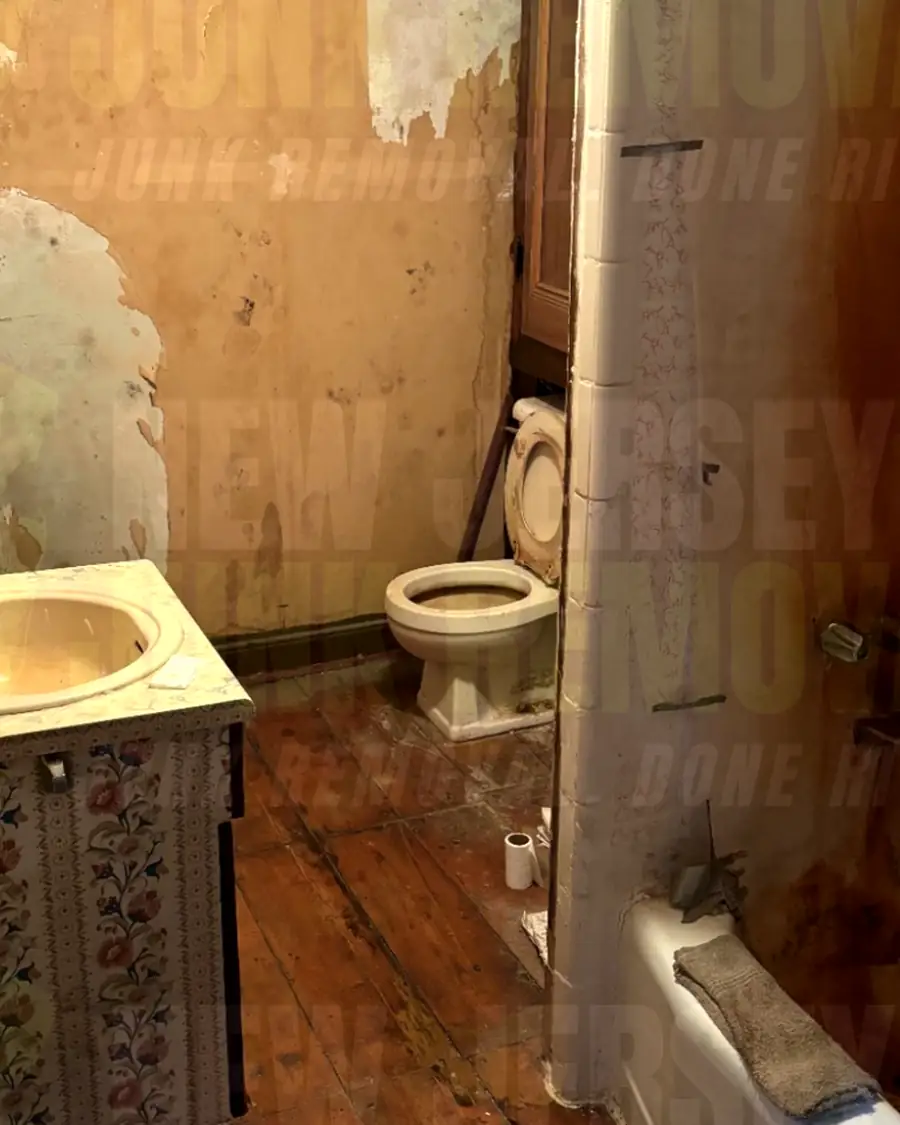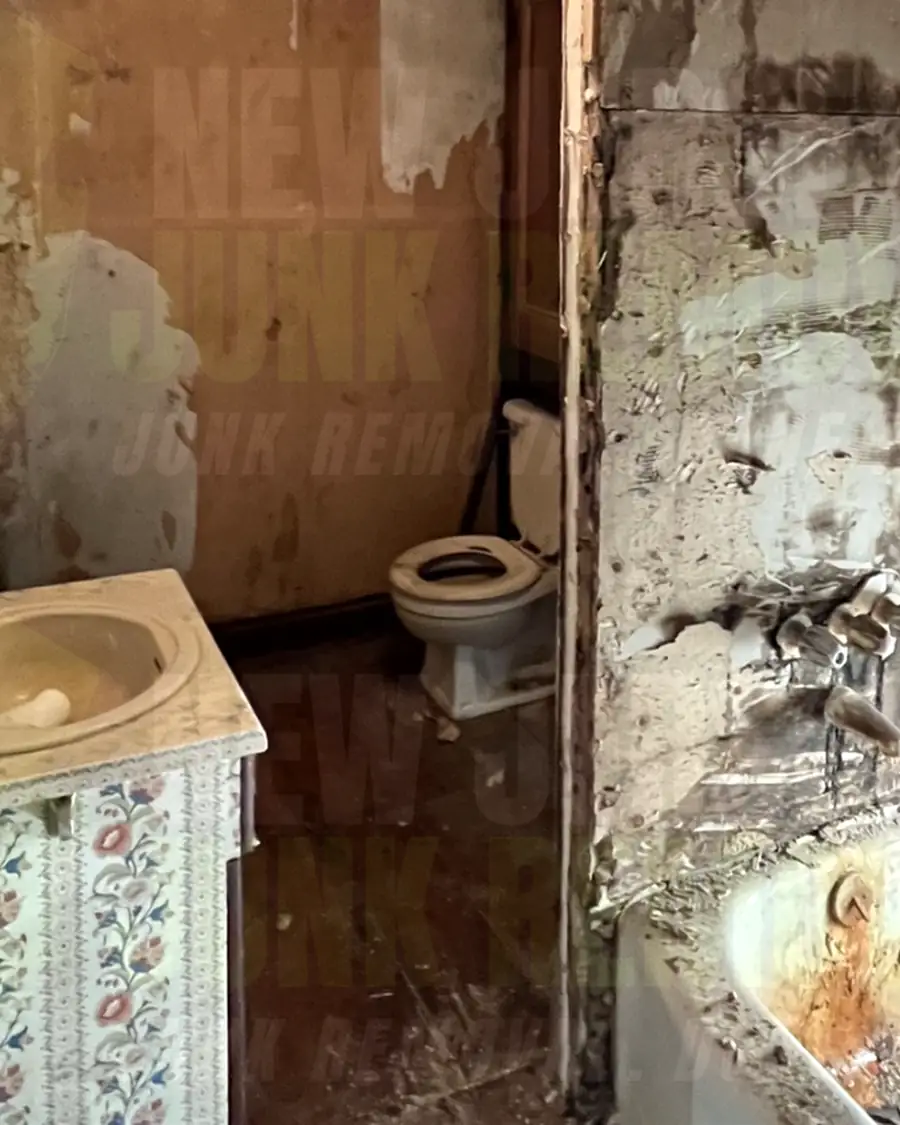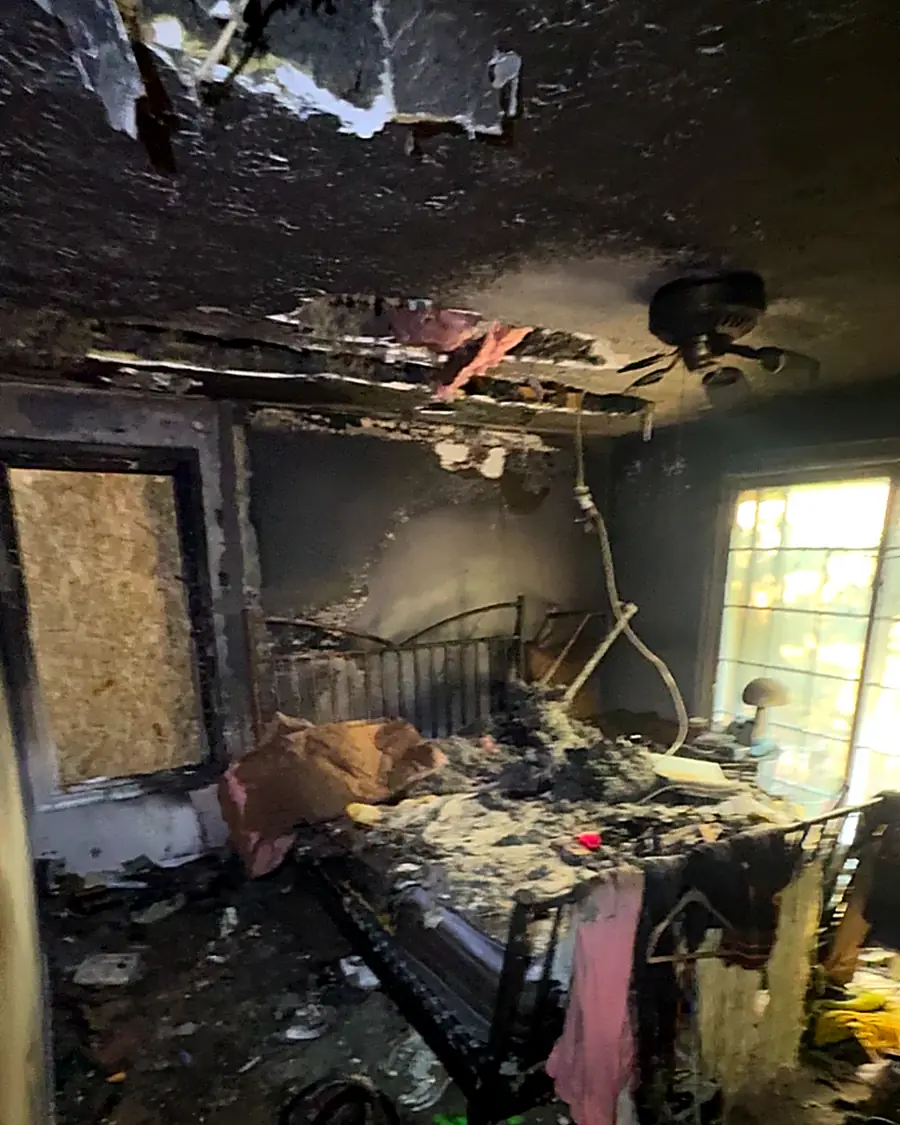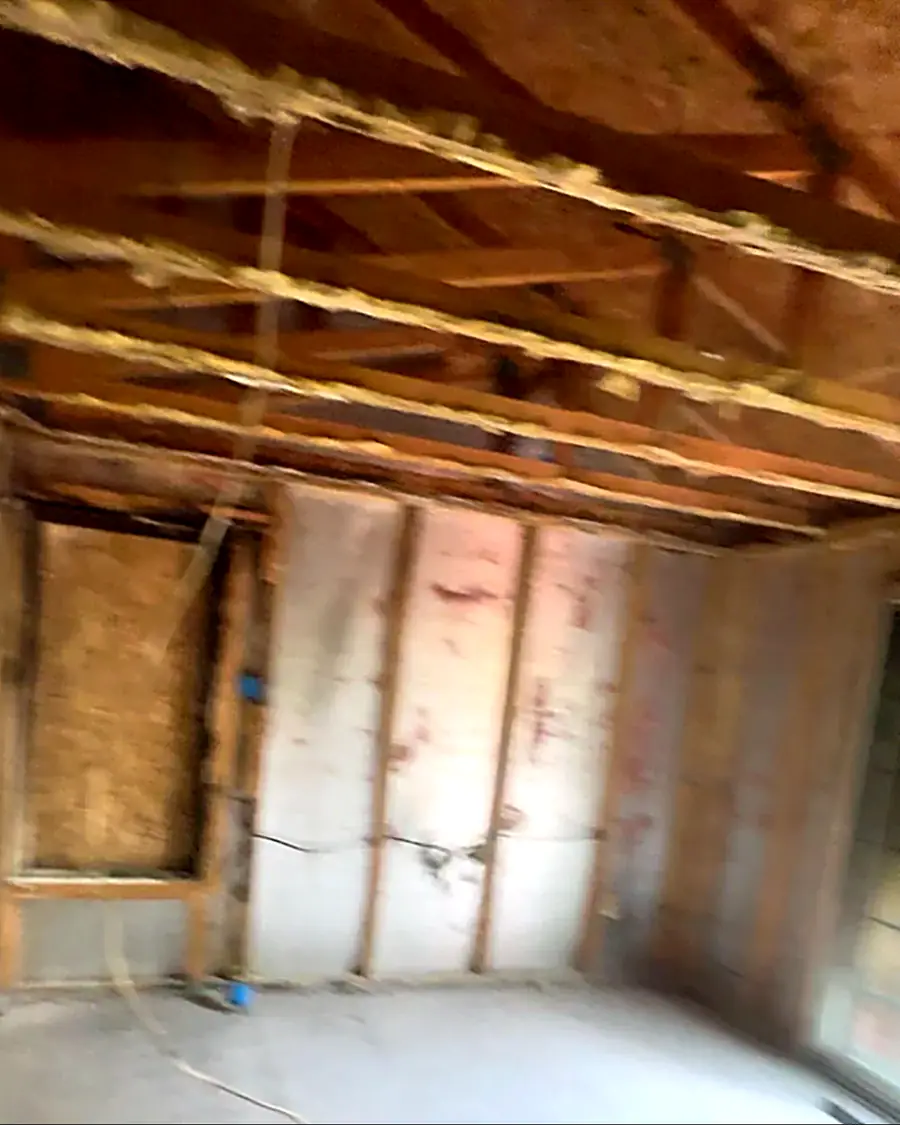
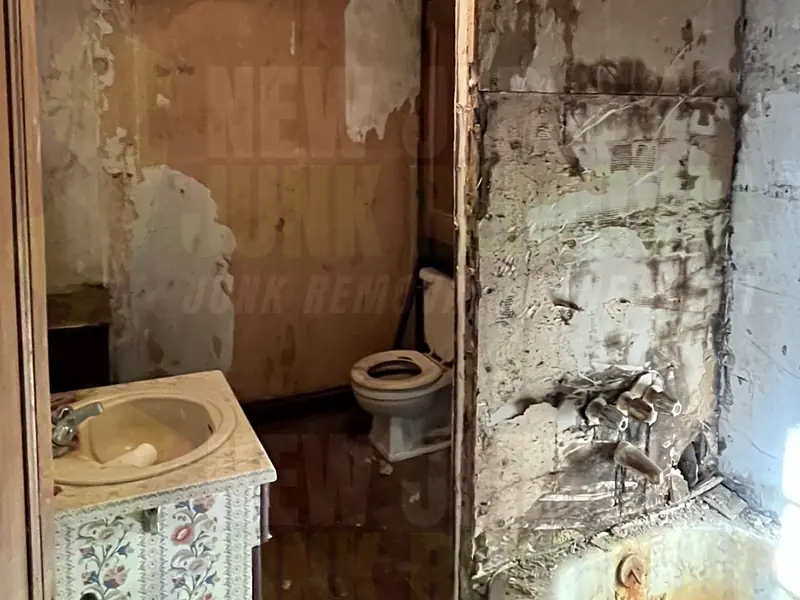
What light demolition covers
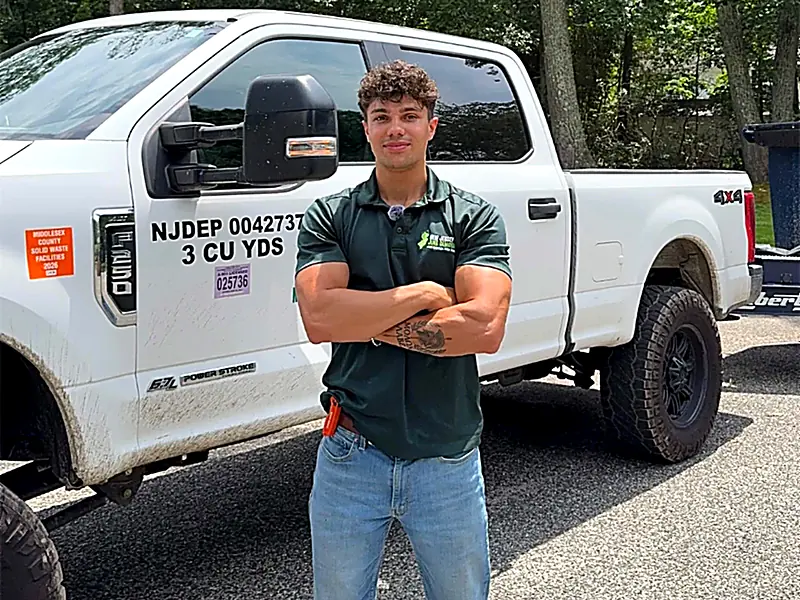
Light demolition is the tear-out part of a remodel: the old pieces have to come out before anything new goes in. We take out non-structural parts of a room, carry them out of the house and haul them away in the same job. Dominic, the owner, works jobs himself alongside his crew.
Typical interior tear-outs include:
- Kitchen and bathroom cabinets, vanities and the countertops on them
- Wall-to-wall carpet and padding, staples and all
- Old bathroom fixtures and tub surrounds, once a plumber has shut off and disconnected the water
- Built-in shelving, closet systems and old paneling
Where light demolition stops
Light means non-structural. We don't take out load-bearing walls, beams, posts or anything else that holds up the house, and we don't disconnect plumbing, gas or electrical lines. New Jersey's construction code says cutting into a load-bearing wall, removing a beam, or changing piping or wiring is never ordinary maintenance. That work needs a permit from your town.
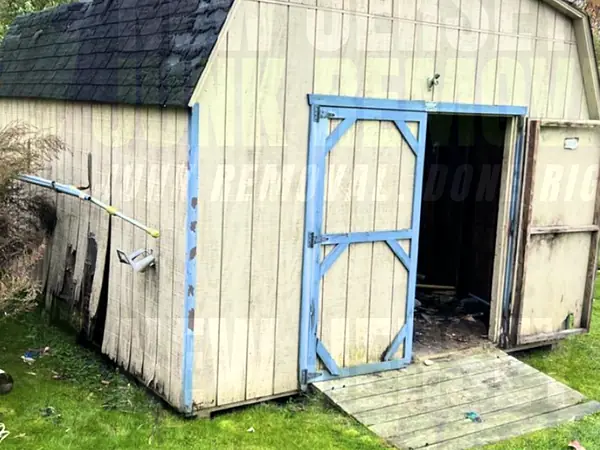
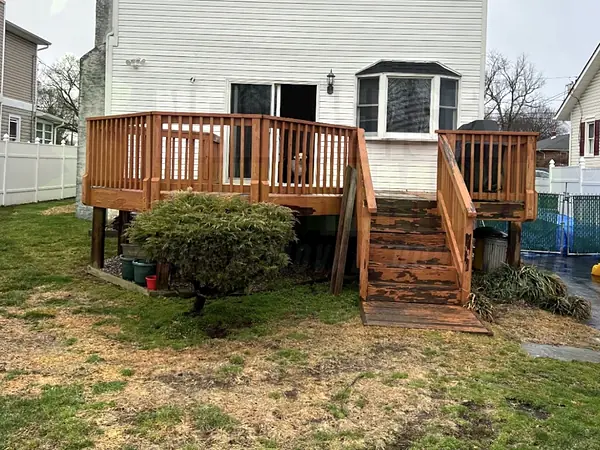
We also can't take hazardous materials: paint, chemicals, motor oil, propane tanks, asbestos or medical waste. Outdoor take-downs have their own pages, including sheds, decks, hot tubs, above-ground pools and playsets.
Asbestos, lead paint and older homes
Older homes can hide asbestos in exactly the materials a tear-out disturbs. The EPA lists vinyl floor tiles, the backing on vinyl sheet flooring and the adhesives under them, textured paint and patching compound on walls and ceilings, roofing and siding shingles, and old pipe and furnace insulation among the places it may be found. You can't tell by looking.
We don't remove or haul asbestos. If you suspect an older material contains it, we need it tested by a trained, accredited asbestos professional before the job starts. If it does contain asbestos, hire a licensed asbestos abatement contractor to remove it; New Jersey requires companies that do asbestos abatement to hold a state license. Once the suspect material is cleared or tests negative, we can take out the rest.
Paint is the other question. Homes built before 1978 may have lead-based paint, and federal EPA rules require anyone paid to do work that disturbs painted surfaces in those homes to be lead-safe certified. If your home was built before 1978, tell us when you ask for a price, and we'll tell you up front whether your project is one we can take on.
Before demo day
A little prep on your side keeps the day simple:
- Have a licensed plumber or electrician shut off and disconnect water, gas and power to anything coming out, like a sink, dishwasher, range or light fixture. We don't do disconnects.
- Empty the cabinets, drawers and closets that are coming out.
- Mark anything that stays, so it doesn't end up on the truck.
- Check with your town's construction office about permits for the project. We don't pull permits.
- Tell us roughly when the house was built, and point out anything you suspect contains asbestos.
How an interior demo job works
Text photos of the room and what's coming out to (855) 655-7552, or book a free estimate online. You get one price that covers the tear-out, the carrying, the haul and the disposal fees.
- Pick a day. Same-day and next-day openings are often available.
- We text you before we arrive.
- We take out what's on the list and load it straight onto our truck. No dumpster sits in your driveway.
- We sweep up before we leave, so the room is clear for whatever comes next.
Carpet tear-outs
Pulling up old carpet is slow, dusty work, and the padding and staples underneath are the part most people underestimate. We pull it up, roll it, carry it out and haul it away. On one carpet job, Carol C. noted the crew "…took the time to remove every single staple. There were a lot!"
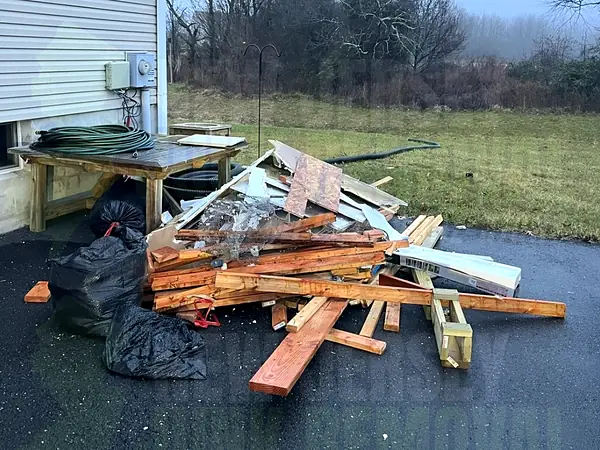
If you've already done the tear-out yourself and just need the pile gone, that's construction and renovation debris removal.
How pricing works for light demolition & interior demo
Light demolition is priced per job, not per truckload, because the tear-out is part of the work. The price depends on what's coming out and how it's attached, how big the space is, how far we carry the debris (a second-floor bathroom or a basement takes more than a ground-floor room by the door), and how heavy it is. Tile, plaster and stone countertops weigh far more than carpet, and disposal sites charge by weight. Every job has a $250 minimum. The price we quote is the price you pay, and it covers the tear-out, carrying, loading, hauling, disposal fees and sweep-up. If you add something on the day, you'll hear the new price before it comes out.
Every job is priced individually. The price we quote is the price you pay — no hidden fees. See how we price jobs.