What we haul out after a fire, flood or burst pipe
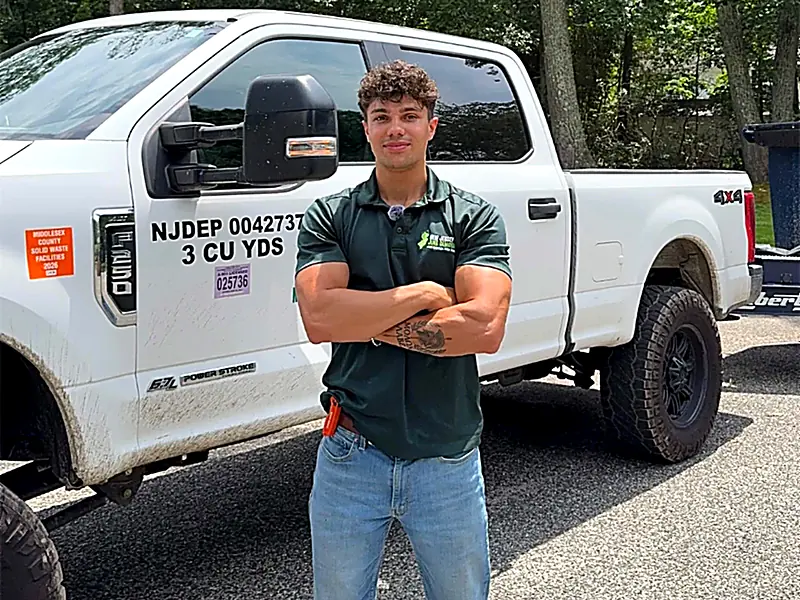
After a fire or a flood, there's a lot to handle at once: the insurance claim, the repairs, and rooms full of things that can't be saved. We take on the heavy part. Dominic, the owner, works jobs himself alongside his crew. We carry everything out from wherever it is, whether that's a flooded basement, a smoke-damaged bedroom upstairs or a pile already at the curb, then load the truck, haul it away and sweep up.
A typical fire or water damage cleanout includes:
- Soaked carpet and padding, and water-damaged flooring that's already up
- Couches, beds, mattresses and other furniture ruined by water, smoke or fire
- Wet or burned drywall and ceiling material that's already down
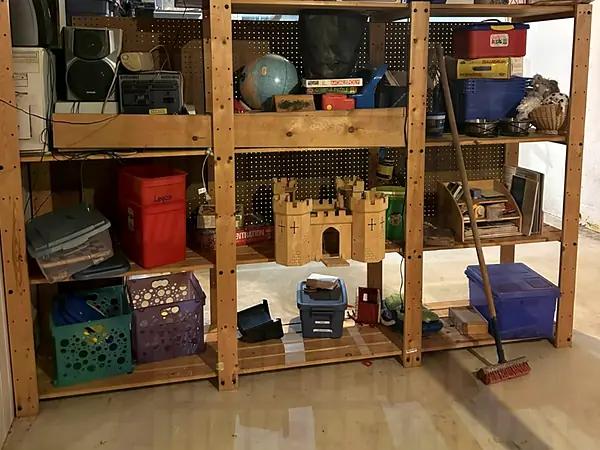
- Boxes, bins, clothing and stored belongings from a flooded basement or garage
- Refrigerators, washers, dryers and other appliances damaged in the flood or fire, once they're disconnected
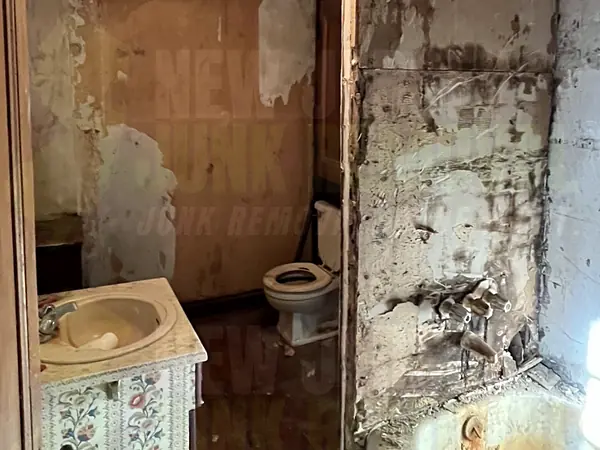
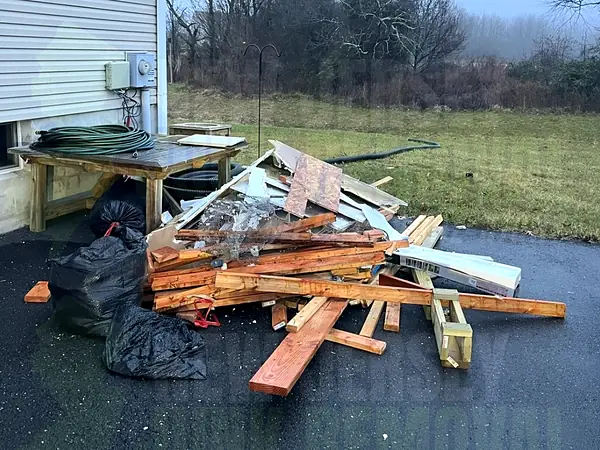
- Cabinets, trim and other debris that's already been torn out
- Fallen branches and broken fencing a storm left in the yard, through yard debris removal
Before anything goes: photos for your insurance claim
Your insurance claim comes first. New Jersey's Department of Banking and Insurance tells homeowners to report damage to their insurance company or agent right away and to take pictures of the damage to the house and its contents. FEMA's flood insurance guidance adds that photos and video should cover the items you plan to throw out, taken before anything is moved or removed. A few steps before we arrive:
- Report the damage to your insurance company or agent, and ask what they need before anything leaves the house.
- Photograph and video every room, including water lines on the walls, and each damaged item, before anything is moved.
- Make a room-by-room list of what's damaged before anything is thrown out.
- Keep a sample of damaged carpet or flooring if your adjuster wants to see one. Set it aside and tell us it stays.
- Ask your insurance company whether to wait for the adjuster. FEMA's flood claim guidance says items that pose a health risk can be thrown away once they're photographed.
Make sure the house is safe first
After a fire, check with the fire department that the house is safe to enter before anyone goes back in, our crew included. After a flood or burst pipe, the leak has to be fixed and any standing water pumped out by a plumber or restoration company first. If water reached outlets, wiring or the electrical panel, have a licensed electrician check it before work starts. We don't do electrical or plumbing work.
If a fire or storm damaged the roof, floors or walls that hold up the house, a licensed contractor has to make it safe before we start. We don't do structural work.
What we don't do: drying, mold and restoration
We're a junk removal company, not a restoration company. We don't pump out water, dry out the house, remove mold, clean smoke and soot off belongings, or clean up after a sewage backup. Those jobs are for restoration companies and other licensed specialists. Once they've done their part, or told you what has to go, our crew carries out the damaged contents and debris and hauls it away. Restoration companies, contractors and property managers can text photos for a price the same way homeowners do.
Timing matters with water. The EPA says water-damaged areas and items should be dried within 24 to 48 hours to prevent mold, and that carpet, ceiling tiles and other porous materials may have to be thrown away if they get moldy. That's why the drying, and the decisions about what can be saved, usually come first.
If the water came from a sewage backup or other contaminated water, the EPA says to call in a professional with experience cleaning buildings damaged by contaminated water. Have that cleanup done first, and tell us about it when you ask for a price.
Tearing out damaged carpet and drywall
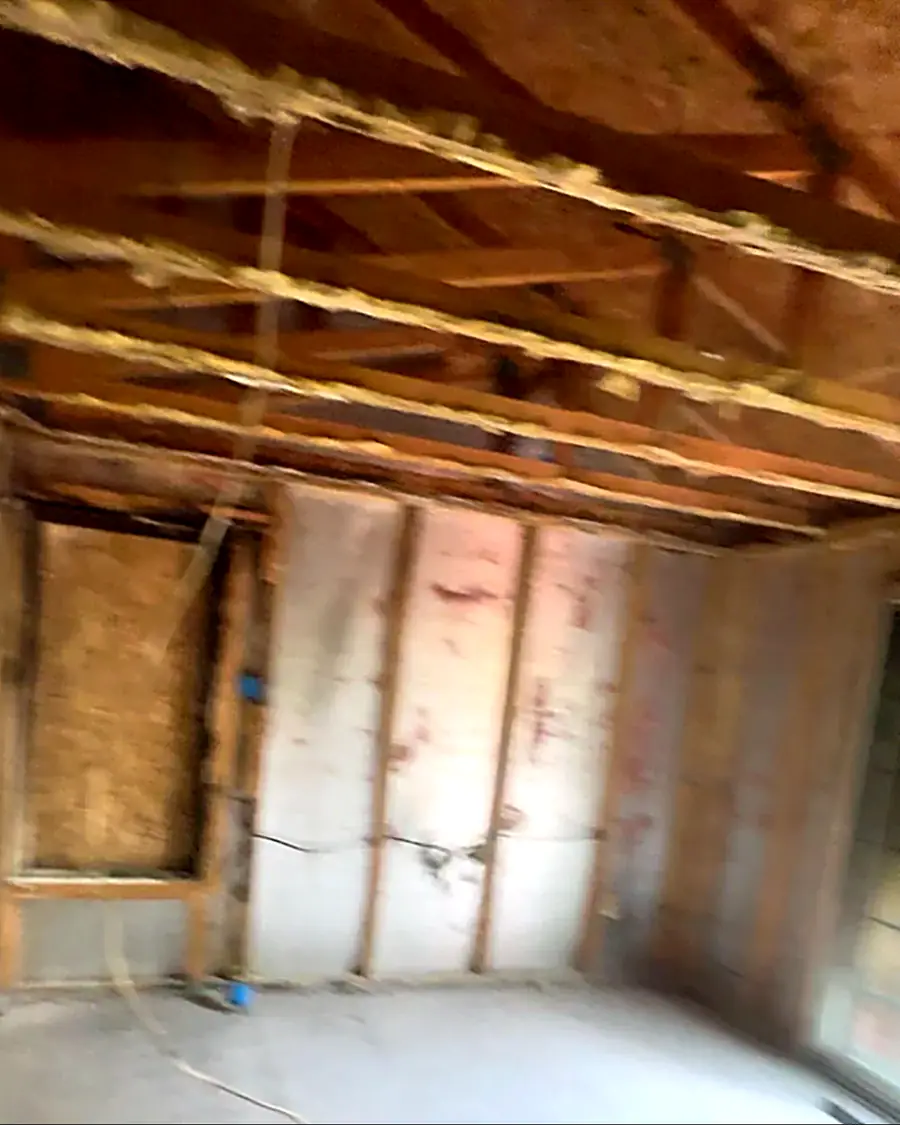
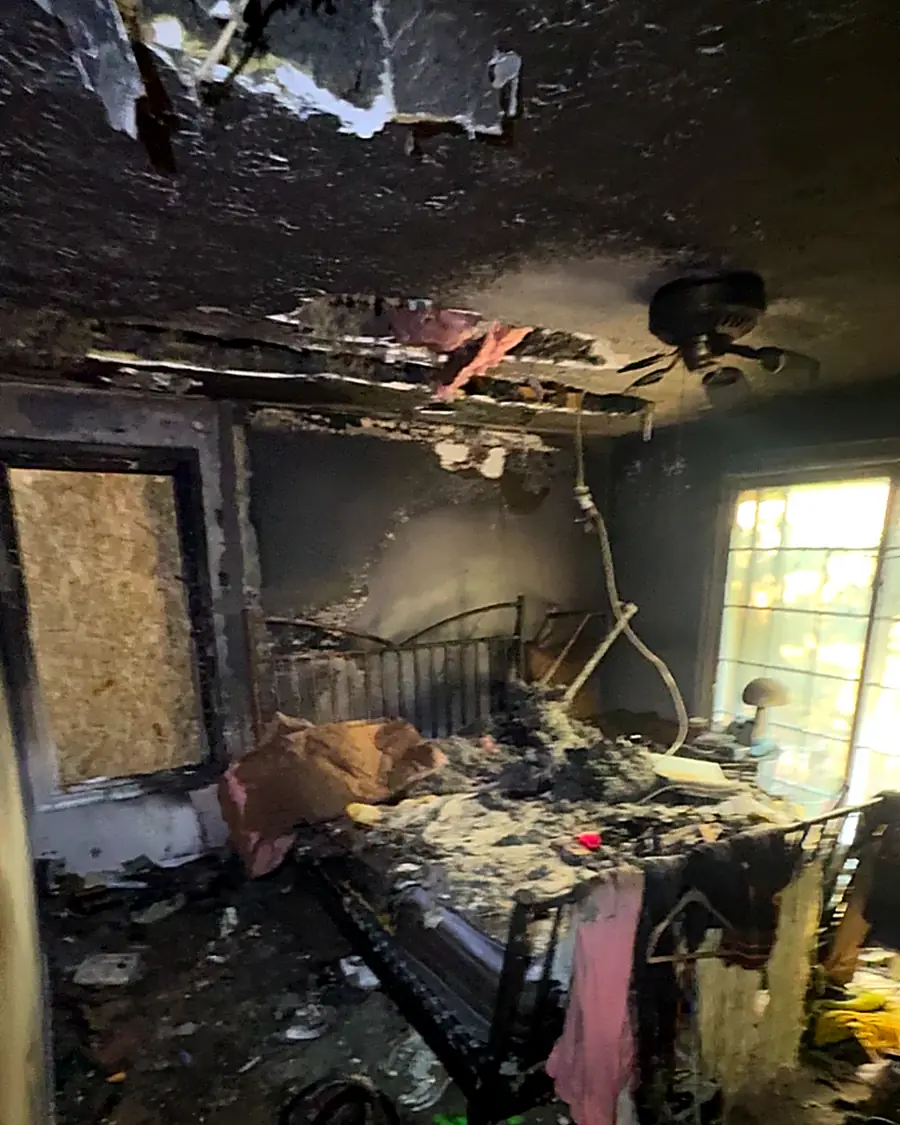
Sometimes the soaked carpet is still on the floor or the burned drywall is still on the walls. Ask about taking out the damaged, non-structural parts of a room before the haul. We cleared out and gutted the fire-damaged bedroom on this page down to the studs and ceiling joists, and whether we can take on yours depends on the house. See light demolition for the tear-outs we take on.
Light means non-structural. Anything that touches a load-bearing wall, wiring, plumbing or gas needs the right licensed trade first. If the house was built before 1978, tell us when you ask for a price. Federal EPA rules require anyone paid to do work that disturbs painted surfaces in those homes to be lead-safe certified, and we'll tell you up front whether your project is one we can take on.
Older homes can also hide asbestos in vinyl floor tiles and their adhesive, textured paint and patching compound on walls and ceilings, and old pipe insulation, and fire or water damage doesn't change that. You can't tell by looking; a sample has to go to an accredited lab. Have suspect materials tested before anyone disturbs them, because we can't remove or haul asbestos.
How a fire or water damage cleanout works
We handle fire and water damage cleanouts across Monmouth, Ocean, Burlington, Mercer and Middlesex counties, from Toms River and Brick to Howell and Hamilton. Here's how a job goes, from the first photo to the sweep-up.
- Text photos of the damaged rooms, the piles and the way out to (855) 655-7552. Dominic often quotes right from photos. For a bigger job, book a free in-person estimate online. There's no obligation.
- Tell us what's staying: carpet samples for the adjuster, belongings you're keeping, and anything your contractor still needs.
- Pick a day. Same-day and next-day openings are often available; call or text early for the best chance.
- We text before we arrive, carry everything out, load the truck and sweep up.
What we take, and what we can't
Everything damaged in a fire or flood can go except hazardous waste: furniture, mattresses, appliances, TVs and other electronics, carpet and padding, drywall, clothing, and boxes and bags of household contents.
The hazardous list is short: paint, chemicals, gasoline and gas cans, motor oil, propane tanks, asbestos and medical waste. Check the garage, the basement and under the sinks for paint cans, cleaners and fuel containers, and set them aside. Each has a proper drop-off through your county or town, and our guide to what junk removal can't take lists them.
Where it all goes
We sort every load. Most water- and fire-damaged belongings can't be reused, but anything in good shape is donated whenever possible. Metal goes to a scrap yard for recycling, refrigerators and freezers go to facilities that accept them, and TVs, electronics and tires go to licensed recyclers.
The rest goes to a licensed disposal site for the county the house is in: the Monmouth County Reclamation Center in Tinton Falls for Monmouth County, the Ocean County Landfill in Manchester for Ocean County, Burlington County's Resource Recovery Complex for Burlington, and Duck Island in Hamilton for Mercer and Middlesex.
How much does a fire or water damage cleanout cost?
Fire and water damage cleanouts are priced per job, not per truckload. Four things set the price: what's going, how much there is, how hard it is to reach, and any tear-out before the haul. Wet material matters: soaked carpet, padding and drywall weigh far more than dry, and heavy loads cost more to dispose of. Access matters too. Ruined furniture carried up from a flooded basement or down from a second floor takes more work than a pile already at the curb. Every job has a $250 minimum. The price we quote is the price you pay, with no hidden fees, and it covers all lifting and loading, carrying from anywhere on the property, hauling and disposal fees, recycling drop-offs and the sweep-up. If you add items on the day, we'll tell you the new price before anything else goes on the truck.
Every job is priced individually. The price we quote is the price you pay — no hidden fees. See how we price jobs.